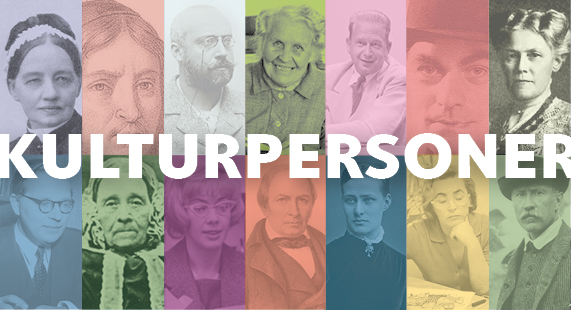
Notable cultural figures at the Old Cemetery in Uppsala

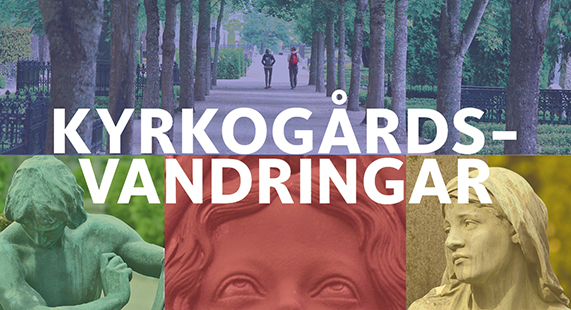
Welcome to Cultural Figures, a guide to The Old Cemetery in Uppsala and the culturally and historically significant figures buried here. Discover stories about writers, artists, researchers, politicians, and others who have left their mark on Uppsala and Sweden. Explore the gallery of figures, search for gravesites on the map, or join a digital or guided cemetery tour to get to know the people behind the history and experience it firsthand.

A cultural and historical treasure

Centrally located in Uppsala with roots dating back to the 17th century, the Old Cemetery features numerous deciduous trees and beautiful avenues. Several notable figures are laid to rest here, including Dag Hammarskjöld, Gustaf Fröding, Malla Silfverstolpe, Erik Gustaf Geijer, and Gösta Knutsson. A walk through the cemetery offers a glimpse into past societies and social conditions.

In total, the cemetery covers about 18 hectares and has just over 14,000 graves.


Digital or guided cemetery walk

Digital or guided cemetery walk

Go on your own or come along

Old cemetery

Old cemetery

Find the cemeteries

Expedition

Expedition

Contact and Hours of Operation

Facts and history

Facts and history

Uppsala cemeteries

About the website

About the website

About the "Cultural Figures" Project


About Cultural Figures

Kulturpersoner is a website by the Church of Sweden in Uppsala, Uppsala cemeteries, highlighting the people who shaped the city's history and have their burial sites at the Old Cemetery. Through biographies, maps, and digital tours, you can explore the Old Cemetery and get to know some of the authors, researchers, artists, and community builders who rest here. The website is aimed at both residents of Uppsala and visitors who want to discover the city's cultural heritage.

The Church of Sweden has been entrusted by society to manage the cemeteries. Uppsala Cemeteries manages the city cemeteries and funeral services for the city of Uppsala, regardless of membership or beliefs. We do this in a sustainable way for the environment and biodiversity, while also preserving the cultural heritage.